Capital City Times
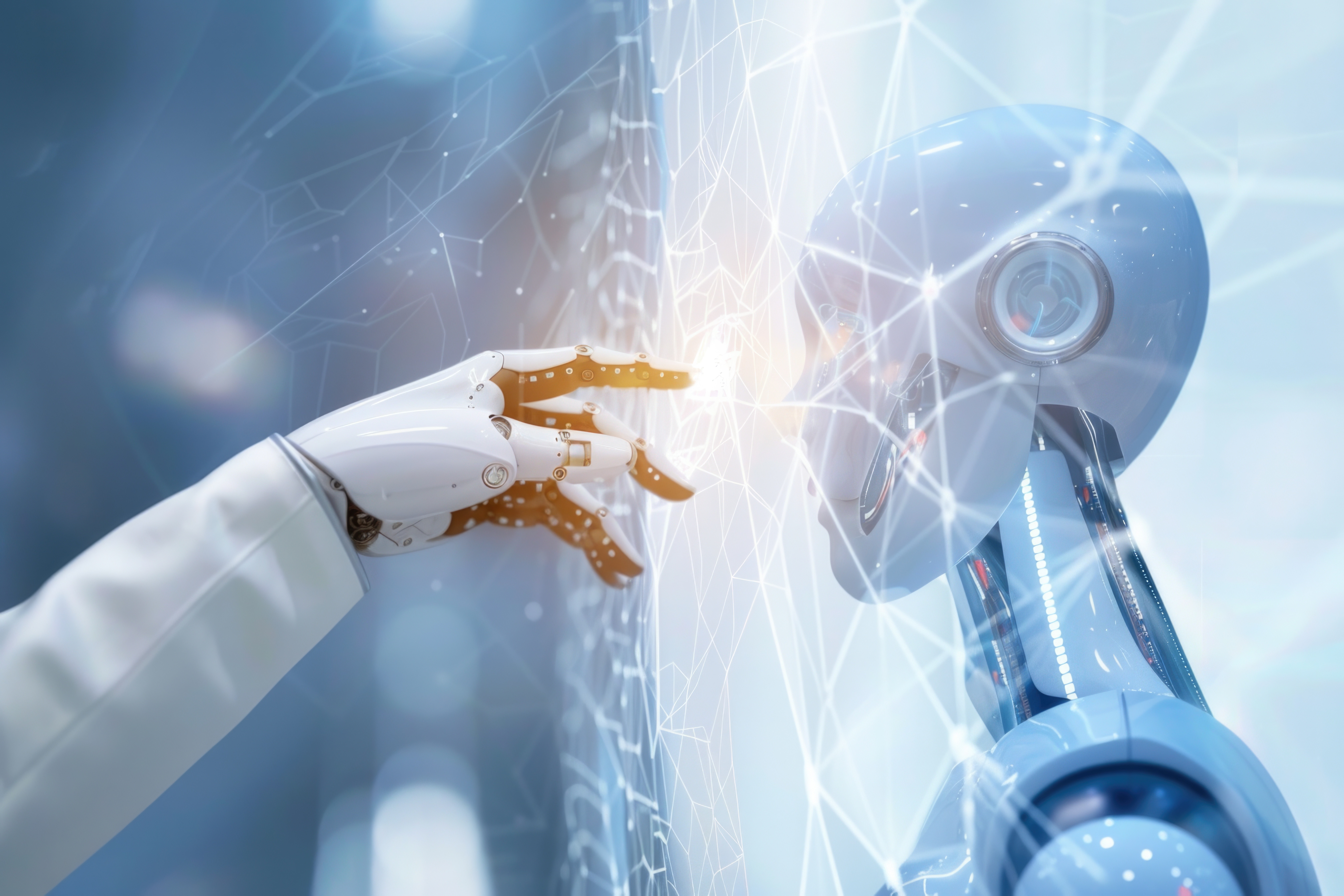
The Ethical Imperative of AI Diagnostics in Modern Medicine
The integration of artificial intelligence into medical diagnostics is perhaps the most significant ethical challenge of our time. While the technical capabilities of these systems are undeniably impressive, the focus must remain on how they affect the human relationship between doctor and patient. We are entering an era where an algorithm may know more about your health than any human physician ever could.
From my perspective as a health journalist, the promise of AI lies in its ability to catch what the human eye misses. Early detection is the holy grail of medicine, and machines are becoming incredibly proficient at spotting the subtle patterns that precede major illness. This has the potential to save millions of lives and drastically reduce the burden on our overstretched healthcare systems.
But we must proceed with extreme caution. The risk of over reliance on automated systems is real. A diagnosis is more than just a data point; it is a life altering event that requires empathy, context, and a deep understanding of a patients history. An AI can calculate probabilities, but it cannot hold a hand or provide the emotional support that is often as important as the treatment itself.
Furthermore, the issue of data privacy and algorithmic bias cannot be ignored. If the data used to train these systems is flawed, the resulting diagnoses will be too. We must ensure that these tools are developed with transparency and that they serve all populations equally, regardless of their background. The democratization of healthcare through technology is a noble goal, but it must be built on a foundation of trust.
As we look to the future, the most successful healthcare models will be those that strike a perfect balance between machine efficiency and human compassion. AI should be viewed as a powerful assistant that frees up doctors to spend more time with their patients, not as a replacement for clinical judgment. The next few years will be a critical testing ground for these new technologies, and the stakes could not be higher.

Latest Post

Pat Abel
Sep 17, 2026
Pat Abel
Sep 17, 2026
Pat Abel
Sep 4, 2026

Pat Abel
Aug 28, 2026