Capital City Times
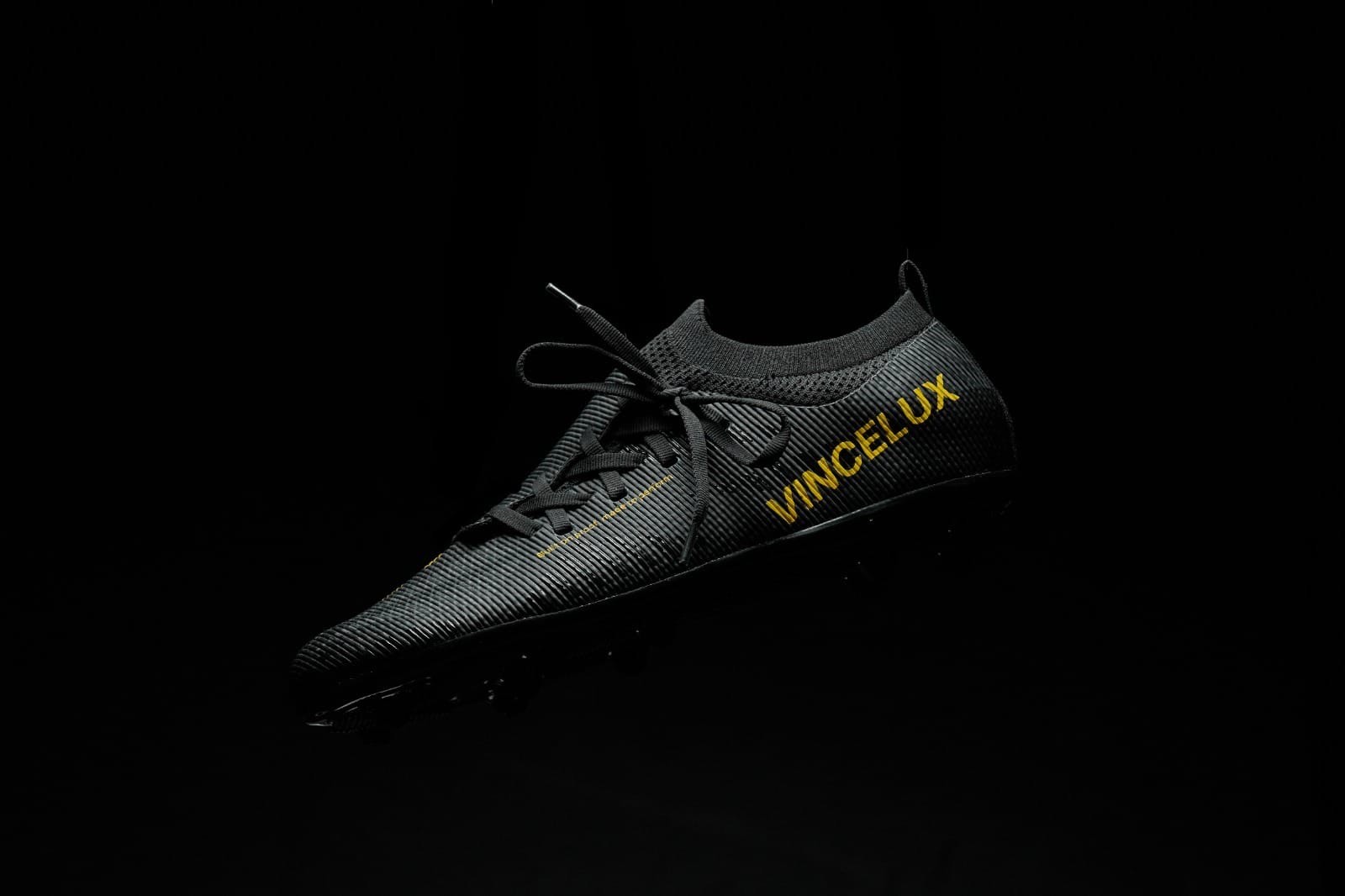
Pressure points on the little toe. Blisters at the heel. Black toenails. Cramped forefeet. Numbness. Boots that look sharp online, then feel wrong the moment they go on. These are the complaints players keep coming back to, and I think that alone says everything. Toes feel crushed, heels get rubbed raw, and nothing seems to fit the way it should. Then players start blaming themselves. They say they have “wide feet” as if that is the issue. Most of the time, it is not. Most of the time, they have normal feet. The real problem is that football boots have drifted so far from normal foot shape that ordinary feet now feel like the exception.
For years, that experience has been sold as “performance”. Tighter, harsher, more unforgiving, that has somehow been made to sound serious and elite. But the biggest issue is this: there is no real basis for that in the literature. It is actually the contrary. The evidence points the other way. Fit and comfort matter significantly, and they are not some soft extra sitting beside performance. They are a massive driver of performance and a fundamental part of it.
That is what makes Vincelux interesting to me. It is not built around the old idea that the player has to suffer for the boot to be good. It is fundamentally evidence based. It starts from a much more sensible place, that a football boot should work with the foot, not fight against it. That sounds obvious, but in this market it almost feels unusual.
And that is where the wider problem becomes even clearer. A lot of modern football boots are basically prettier versions of a very old design. The colours change, the materials change, the slogans change, but the underlying shape logic often still feels outdated. Even the so called wide options in football footwear often miss the point. Too often they feel like slightly stretched versions of the same narrow idea, not a real rethink of shape, fit, and function. So players end up stuck in the same cycle, trying pair after pair, hoping this one will finally be different, only to get the same rubbing, the same pressure, and the same disappointment.
To me, this matters not only because performance suffers, but because health does too. When feet are shoved into badly fitted footwear, the problems do not stop at discomfort. Foot pain, toe problems, and longer term issues do not appear out of nowhere. So this is not just about whether a player feels more comfortable for ninety minutes. It is also about what repeated poor fit can do over time, while also affecting confidence, movement, and function on the pitch.
What I find especially compelling about Vincelux is that the thinking is different, but the product is not trying to look like some dull correction. The boots actually look good too. That matters. Players do not want the answer to poor football boots to be something clunky or lifeless. They want something that looks sharp, feels right, and performs properly.
That is why I think Vincelux matters. It is not just another boot entering the market. It is a serious attempt to bring evidence, shape, and common sense back into football footwear. If it keeps doing that properly, it will not just sell boots. I think it will help change what players start expecting from football boots in the years ahead.


Latest Post


Pat Abel
Oct 10, 2026
Pat Abel
Oct 7, 2026

Pat Abel
Oct 4, 2026

Pat Abel
Oct 1, 2026